Since I'm done with Psionics of Lore, I can focus on other things. Namely, maybe some Basic 4e.
All day, I've been wrestling with classes, mostly on a power front. I was concerned about some classes, just as Avengers and Ardents, not being as strong classes as others. Also, some of the classes could just be utilized by simply throwing around some bonuses.
Then it occurred to me: I'll reduce the classes, and instead make the "real" classes as something akin to archetypes.
Thus, a class would be composed of three things: the Class, the Archetype. The Archetype would also provide the role of the character. I believe the class and the archetype would offer one power each, and in addition to the character's race, they will have three "permanent" powers at first level.
The classes would be based on power sources
Psionic characters are called Mentalists. Martial characters are called Warriors. Primal characters are called Spiritualists. Divine characters are called Priests. Arcane characters are called Mages.
The archetypes would then be the normal classes. Thus, the Archetypes for the Mentalist are the Monk, Battlemind, Ardent and Psion.
I actually like this approach a good deal. It may abolish my race-as-class idea, but oh well.
Also, I have decided that to keep with the spirit of B/X, the max level for Basic 4e will be 12. There will still be paragon and epic tiers, which will be at levels 4 and 8 respectively.
Limitless Worlds

Wednesday, March 27, 2013

Sunday, March 24, 2013
Psionics of Lore - Now in Layout!
I just sent the files for Psionics of Lore to John Stater, and soon you will have all the mentalist goodness for B&T. Once again, this will be free, and unfortunately art-less. In the future, I hope to "re-do" these supplements with some art. I was going to do some for this supplement, but I felt it has been delayed for too long.
The supplement will contain 3 new races, 3 classes, about 12 feats, hundreds of psionic powers, dozens of psionic items, and a handful of psionic creatures. Aside from things that mechanically clashed with B&T, the only thing I didn't include was the soulknife. This is only because John is releasing that class in his NOD Companion book, which is coming soon I believe
The supplement will contain 3 new races, 3 classes, about 12 feats, hundreds of psionic powers, dozens of psionic items, and a handful of psionic creatures. Aside from things that mechanically clashed with B&T, the only thing I didn't include was the soulknife. This is only because John is releasing that class in his NOD Companion book, which is coming soon I believe
Tuesday, March 12, 2013
Review of Spears of the Dawn

SotD is written by Kevin Crawford, the same guy who wrote the awesome Stars Without Number and Other Dust games. Spears of the Dawn is designed to follow the same general setting idea of Dungeons & Dragons, which is one of a pastiche of cultures brought together by magic, monsters, gods and demons. However, instead of medieval Europe, SotD deals with medieval Africa.
The PDF product is only 180 pages long, but if you have read any of the other Sine Nomine products, you know those are a dense 180 pages.
The system is basically the same as Stars Without Number, which in itself was a modified version of B/X D&D. Combat is rolled on a d20, with skill checks being rolled on a 2d6. It's all pretty standard fair, not too simple but not intimidating. Combats go quick, skill resolution is a breeze, and the game never lags.
What is important is the setting behind SotD. The default setting takes place in the Five Kingdoms, situated among the Three Lands. The only problem is, there used to be six kingdoms, but the Kingdom of Deshur came under the control of the undead and almost destroyed the other people of the continent. The Five Kingdoms did manage to marginalize the undead threat back into their desert kingdom, and now they are trying to pick up the pieces. An assumption during play is that you are a part of the Spears of the Dawn, a loose organization that goes around and tries to destroy the last remnants of the Deshur.
The Five Kingdoms have real world analogies, though if you know little about medieval Africa, you will have a hard time figuring them out. The Kirsi, a warrior like people who love mounted battle, are equal to heavy military states, most notably Songhai. The Lokossa draw parallels to the Kongo and Benin states in the deep jungle. The Nyala represent the advanced cultures of the Horn of Africa, like Ethiopia and even Morocco, with the Sokone being like the great trade empires of Mali and Ghana. The Meru are nomads such as the Urewe or Zimbabwe, and Deshur is obviously supposed to be pre-colonial Egypt. The Three Lands are the Green Lands, representative of central African jungles, the Yellow Lands, which are the numerous savannas of the continent, and the Black Lands, the inhospitable deserts of the undead Eternal.
There are no demi-human classes in SotD, so it does tend to lend itself more to a swords & sorcery vibe. The classes are Griots, a combination of storyteller and warrior that is much more bad-ass than a bard; Marabouts, which are priests, either of various spirits or SotD's Islam equivalent, the Sun Faith; Ngangas, which are shamans, witches and sorcerers; and the ever-present warriors.
Another great aspect of Crawford's games is the sandbox aspect of them, with SotD being no different. There are suggestions on how to really make the Three Lands your setting, as well as ways to get you to prepare for anything your players decide to do. The book continues with a flavorful bestiary of monsters taken from African myth, as well as some pretty deadly magic items.
SotD holds a unique place in that very few RPGs give Africa as a setting, and even if they do, it is rarely well done. The only one I can think of off the top of my head is Nyambe, which was a d20 supplement designed for more Iron Age Africa play than medieval. What's great about SotD is that you can tell Crawford has a passion and respect for the rich and detailed history of Africa; nothing is condescending, and he describes the world in such vibrant colors that you are aching to play.
I give Spears of the Dawn a 10/10. This game is awesome, the art is fantastic, and the writing is spot on. There may be a typo here and there, but that in no way should detract from your enjoyment. If you are at all interested in either alternative fantasy, Africa, OSR, or even RPGs in general, SotD deserves your attention. You can buy the PDF at DriveThruRPG for about $7.50, along with multiple hard copy options for an additional fee.
Thursday, February 28, 2013
Other Dust - Perils of the Waste

This supplement will be very short, and I'm working on it literally right now. It's gonna be called "Perils of the Wastes," and it will add a dose of weirdness to any Other Dust campaign.
Perils of the Waste will detail about 60 new monsters, possibly more, for use in any Other Dust campaign. Divided between technological threats, mutant aberrations and alien monstrosities, plenty of weird, yet familiar, creatures can stalk the halls of your ruins.
I'm also going to detail some super-futuristic traps and hazards, such as laser grids, sewage spills and more.
Each "section" of creatures will also have details to play some new Other Dust races: the Rootfolk (already published in this blog), cyborgs and aliens. Hell, I may even throw in some experimental alien tech.
Below are the first three monsters for the "Technological Terrors" chapter: the Cell Spider, Cerebrum and Chromehound
Cell Spider
No. Enc: 1
Movement: 20’
AC: 8
HD: 1–2
Attacks: +5/Burrow
Damage: Special
Save: 15
Morale: 10
Loot Type:
Skill Bonus: +1
Cell
spiders are crafty robotic creatures about the size of a palm. They look
similar to spiders, but they are robotic, only have four legs and no distinct
head. They have a minor shapeshifting ability that allows them to temporarily
look like any hand held device, such as a cellphone, dataslab or a GPS device. A
perception roll of 11 or higher will reveal the creature for what it truly is.
When the
cell spider sees the moment is right, it will snap out of its alternate form
and begin violently burrowing into the holder. Its target is the brain, and it
takes 1d4 rounds for it to reach it. If the cell spider ever reaches the brain,
it instantly kills its host. For every round in between the spider’s voyage,
the victim takes 1d6+2 damage. The cell spider can be “dug out” with a knife or
other sharp object, but this requires a successful Physical Effect save. If
successful, the cell spider is removed and the victim takes 1d4 damage from the
knife wound.
Cerebrum
No. Enc: 2d4 (1d20)
Movement: 30’ land, 20’ flight (case only)
AC: 5
HD: 3
Attacks: +4/weapon, +2 Ram (case only)
Damage: By weapon, 1d4 (ram)
Save: 11
Morale: 7
Loot Type:
Skill Bonus: +2
Cerebrums
are brains in jars, to put it bluntly. Powerful psychics that had enough of
their puny, mortal bodies, they had their brain surgically removed and placed
in a life-sustaining plastic capsule. The capsule was then mounted on an
intimidating robot body. In dire straits, a Cerebrum can detach the case from
the body. The case has small boosters that allow it to fly away and escape,
though the case itself is relatively defenseless. Cerebrums often have at least
one psychic power, perhaps two.
Cerebrums
are enslavers who capture people to experiment on their minds. The large amount
of psychic energy they possess has caused their minds to collapse, and few have
rational thoughts any more.
Chromehound
No. Enc: 1d4
Movement: 40’
AC: 6
HD: 4
Attacks: +4/Bite and paralyze
Damage: 1d6
Save: 13
Morale: 4
Loot Type:
Skill Bonus: +1
Chromehounds
are robotic dogs that appear as feral wolfs. Covered in glistening metal with
massive haunches and steel fangs, they are ruthless hunters and trackers. They
often prowl alone, serving as a “retriever” for their master.
The
chromehound’s teeth drip a powerful neurotoxin that almost instantly paralyzes
anyone it bites. When bitten by a chromehound, you must make a Physical Save
effect or become completely paralyzed within 2 rounds. When paralyzed, you can
still feel sensation and you are aware of everything, but you are as still as
stone. This poison lasts about 6 hours, often long enough for the chromehound
to drag its victim back to its master.
Wednesday, February 27, 2013
Other Dust - Odd Backgrounds and Slagfolk
Some more Other Dust stuff for you today. Other Dust is somewhat of a gritty setting, but since the system is so easy to understand, hacks to it require no effort.
Thus, below I present some odd background packages to help add some weirdness to your Other Dust campaign. Probably the most understandable would be the Aliens, given that they are already present in the setting. I chose to make these backgrounds as I think the mutation system can emulate their weird abilities better than tacking on an entire new subsystem.
I also detail the Slagfolk, who are basically animated piles of rocks. This one is pretty far fetched, even for post-apocalypse gaming, but a cool idea none-the-less.
Edit: Though all these backgrounds are usable, as well as the Slagfolk, I'd say if you want to stay true to the general nature and setting of Other Dust, you should at most use the Alien background. I do think, however, that Rootfolk are generally inline with Other Dust, though their concept is pushing it haha.
 Alien
Alien
You are a being from another world, probably left behind after the Highshine ravaged through the planet. There are hundreds of species of aliens, and yours is probably unique. Aliens are a dying breed, but you went out into the wastes to either restore your race or return to your astral home. The type of alien a character is should be described by the player, with their mutations being instead natural qualities of the species.
Skills: Culture/Traveler, Computer, Vehicle/Space, Science
Time Displaced
You are a human from the far past who was unceremoniously dropped into the middle of the wastes. Perhaps all the unstable nuclear, chemical, technological and biological reactions of the disaster ripped open a rift in time, or maybe a piece of advanced pretech opened a portal to your homeland. Either way, you are here now and must survive as everyone else does.
Skills: History, Survival, Language, any one time period appropriate skill
Undead
You died not long before, or possibly during, the Last War when nuclear fires consumed the skies. When the Highshine eventually reached your corpse, it reanimated you back from your peaceful rest from the world. You have returned from your just reward into a hell unlike any that you could imagine. Undead are usually barely decomposed or partially, but the Highshine has managed to nullify the rotting process. As of current records, no undead has died again from old age, though they can be killed
Skills: Profession/Any, Tech/Pretech, Survival, Combat/Unarmed
Unnatural
You are not truly a monster, but the mutations you have suffered have given you that appearance. You are often treated like an outcast. Unnaturals have forms that make them appear as ghosts, vampires, angels, demons, lycanthropes and many other things, but they are just oddly mutated humans. Often, this namecalling gets to their heads, causing unnaturals to actually believe they are monsters of myth.
Skills: Culture/Traveler, Persuade, Survival, Religion
Slagfolk
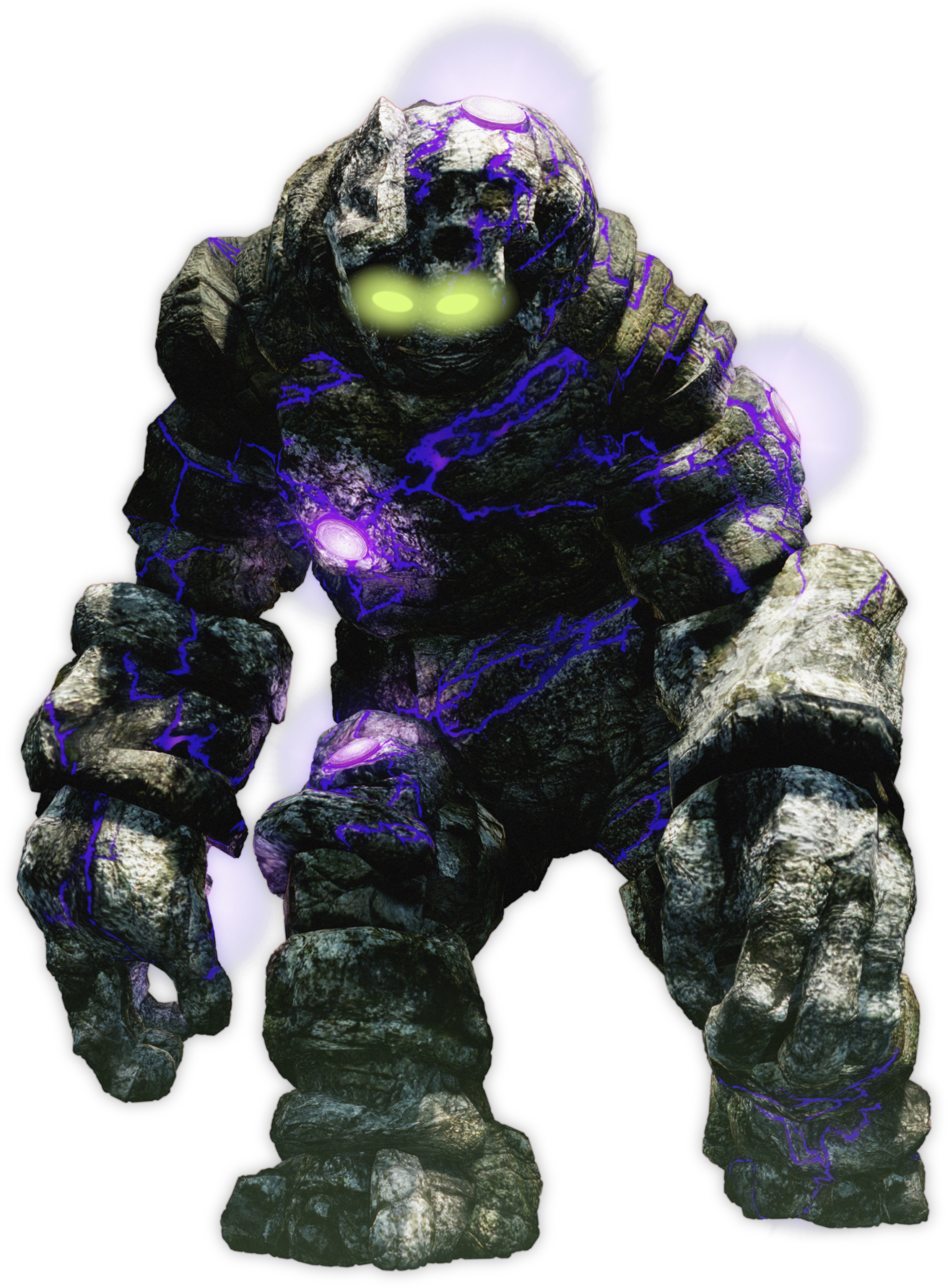
Slagfolk are even rarer than Rootfolk, in that there are probably only about 200 slagfolk known. Slagfolk are humans whose DNA was combined with mineral and gem crytals, make them basically humanoid golems. They appear to be made of rocks or gems, but they bleed and injure like everyone else.
Slagfolk have a natural armor class of 6 due to their rocky hides. They also add 1 to either their Strength or Constitution scores. Being a Slagfolk costs 1 mutation pick.
Thus, below I present some odd background packages to help add some weirdness to your Other Dust campaign. Probably the most understandable would be the Aliens, given that they are already present in the setting. I chose to make these backgrounds as I think the mutation system can emulate their weird abilities better than tacking on an entire new subsystem.
I also detail the Slagfolk, who are basically animated piles of rocks. This one is pretty far fetched, even for post-apocalypse gaming, but a cool idea none-the-less.
Edit: Though all these backgrounds are usable, as well as the Slagfolk, I'd say if you want to stay true to the general nature and setting of Other Dust, you should at most use the Alien background. I do think, however, that Rootfolk are generally inline with Other Dust, though their concept is pushing it haha.
You are a being from another world, probably left behind after the Highshine ravaged through the planet. There are hundreds of species of aliens, and yours is probably unique. Aliens are a dying breed, but you went out into the wastes to either restore your race or return to your astral home. The type of alien a character is should be described by the player, with their mutations being instead natural qualities of the species.
Skills: Culture/Traveler, Computer, Vehicle/Space, Science
Time Displaced
You are a human from the far past who was unceremoniously dropped into the middle of the wastes. Perhaps all the unstable nuclear, chemical, technological and biological reactions of the disaster ripped open a rift in time, or maybe a piece of advanced pretech opened a portal to your homeland. Either way, you are here now and must survive as everyone else does.
Skills: History, Survival, Language, any one time period appropriate skill
Undead
You died not long before, or possibly during, the Last War when nuclear fires consumed the skies. When the Highshine eventually reached your corpse, it reanimated you back from your peaceful rest from the world. You have returned from your just reward into a hell unlike any that you could imagine. Undead are usually barely decomposed or partially, but the Highshine has managed to nullify the rotting process. As of current records, no undead has died again from old age, though they can be killed
Skills: Profession/Any, Tech/Pretech, Survival, Combat/Unarmed
Unnatural
You are not truly a monster, but the mutations you have suffered have given you that appearance. You are often treated like an outcast. Unnaturals have forms that make them appear as ghosts, vampires, angels, demons, lycanthropes and many other things, but they are just oddly mutated humans. Often, this namecalling gets to their heads, causing unnaturals to actually believe they are monsters of myth.
Skills: Culture/Traveler, Persuade, Survival, Religion
Slagfolk
Slagfolk are even rarer than Rootfolk, in that there are probably only about 200 slagfolk known. Slagfolk are humans whose DNA was combined with mineral and gem crytals, make them basically humanoid golems. They appear to be made of rocks or gems, but they bleed and injure like everyone else.
Slagfolk have a natural armor class of 6 due to their rocky hides. They also add 1 to either their Strength or Constitution scores. Being a Slagfolk costs 1 mutation pick.
Saturday, February 23, 2013
Other Dust Race - Rootfolk
What post-apocalypse game would be complete without the often strange mutant plant! In Other Dust, almost all post-apocalyptic tropes exist, from psychics to mutants to mutated animals to robots. But alas, no mutant plants! Well fret not, as below I present to you a new playable race: the Rootfolk!
 Rootfolk
When the Highshine created the Beastfolk, the same garbled DNA that was meant to protect animals was also meant to protect plant life. Instead of mutating the injured or corrupting them into Beastfolk, the Highshine sometimes restructured DNA to be plant-based.
Now called Rootfolk, these vegetable creatures have somehow managed to form a small life for themselves. Rootfolk are much more rare than Beastfolk, and many Rootfolk live either alone or in small colonies of 10 or 20. Many humans can not contemplate sentient plants, so the Rootfolk choose to hide themselves away.
Rootfolk, being made of plants, are susceptible to fire. If they are ever exposed to fire, they roll the damage they take twice and apply the highest number. Rootfolk need to eat and drink, but no more than a regular human would.
Rootfolk as PCs
Rootfolk function under the same principle as Beastfolk: to be one, you have to sacrifice some rolled mutations. Further, in Other Dust, Beastfolk are rare, but Rootfolk are even more scarce. Many people can go their entire short lives without ever hearing about Rootfolk, let alone seeing one.
Rootfolk fall under three broad categories:
Fungifolk
Fungifolk are probably the strangest Rootfolk, considering funguses are not technically plants. Fungifolk come in a wide variety of types, but the most common have large caps on their heads and gills under them where they store their spores. Fungifolk are generally sagacious and non-confrontational, wishing to spend more time expanding their minds than surviving.
Fungifolk gain the somewhat nocturnal habits of their ancestors, and they are able to see in the dark up to about 60 feet. Further, if a Fungifolk is ever killed, they release spores in the general area. In 1d6 days, the Fungifolk will "regrow" from one of these spores, albeit at one level lower than what he was before death. Being a Fungifolk costs 1 mutation pick.
Treefolk
Treefolk are huge creatures, often standing between 7 and 8 feet tall and covered in thick bark. Treefolk like to see themselves as wardens of nature, protecting all who dare do it harm. They are extremely steadfast and sturdy and often say little. To them, talk is cheap and should not be wasted.
The heavy bark and evolved immune system of a Treefolk grants them +2 HP per level, regardless of class. Treefolk also add 1 to their Constitution and Strength, but subtract 1 from their Intelligence. Being a Treefolk costs 2 mutation picks.
Flowerfolk
Flowerfolk are the most varied of all Rootfolk. Flowerfolk can have ancestral ties to bushes, vines, weeds, root vegetables, cacti and more. The common link is that they all produce some kind of bloom, be it a flower or fruit. Flowerfolk are the most common Rootfolk, and they tend to be the most adventurous and willing to explore.
Flowerfolk usually have some natural defenses to protect themselves, such as thorns, mild poisons or heavy fruit. A Flowerfolk has a natural melee attack that deals 1d6+2 damage. Flowerfolk also add 1 to their Dexterity, but subtract 1 from their Wisdom. Being a Flowerfolk costs 1 mutation pick.

When the Highshine created the Beastfolk, the same garbled DNA that was meant to protect animals was also meant to protect plant life. Instead of mutating the injured or corrupting them into Beastfolk, the Highshine sometimes restructured DNA to be plant-based.
Now called Rootfolk, these vegetable creatures have somehow managed to form a small life for themselves. Rootfolk are much more rare than Beastfolk, and many Rootfolk live either alone or in small colonies of 10 or 20. Many humans can not contemplate sentient plants, so the Rootfolk choose to hide themselves away.
Rootfolk, being made of plants, are susceptible to fire. If they are ever exposed to fire, they roll the damage they take twice and apply the highest number. Rootfolk need to eat and drink, but no more than a regular human would.
Rootfolk as PCs
Rootfolk function under the same principle as Beastfolk: to be one, you have to sacrifice some rolled mutations. Further, in Other Dust, Beastfolk are rare, but Rootfolk are even more scarce. Many people can go their entire short lives without ever hearing about Rootfolk, let alone seeing one.
Rootfolk fall under three broad categories:
Fungifolk
Fungifolk are probably the strangest Rootfolk, considering funguses are not technically plants. Fungifolk come in a wide variety of types, but the most common have large caps on their heads and gills under them where they store their spores. Fungifolk are generally sagacious and non-confrontational, wishing to spend more time expanding their minds than surviving.
Fungifolk gain the somewhat nocturnal habits of their ancestors, and they are able to see in the dark up to about 60 feet. Further, if a Fungifolk is ever killed, they release spores in the general area. In 1d6 days, the Fungifolk will "regrow" from one of these spores, albeit at one level lower than what he was before death. Being a Fungifolk costs 1 mutation pick.
Treefolk
Treefolk are huge creatures, often standing between 7 and 8 feet tall and covered in thick bark. Treefolk like to see themselves as wardens of nature, protecting all who dare do it harm. They are extremely steadfast and sturdy and often say little. To them, talk is cheap and should not be wasted.
The heavy bark and evolved immune system of a Treefolk grants them +2 HP per level, regardless of class. Treefolk also add 1 to their Constitution and Strength, but subtract 1 from their Intelligence. Being a Treefolk costs 2 mutation picks.
Flowerfolk
Flowerfolk are the most varied of all Rootfolk. Flowerfolk can have ancestral ties to bushes, vines, weeds, root vegetables, cacti and more. The common link is that they all produce some kind of bloom, be it a flower or fruit. Flowerfolk are the most common Rootfolk, and they tend to be the most adventurous and willing to explore.
Flowerfolk usually have some natural defenses to protect themselves, such as thorns, mild poisons or heavy fruit. A Flowerfolk has a natural melee attack that deals 1d6+2 damage. Flowerfolk also add 1 to their Dexterity, but subtract 1 from their Wisdom. Being a Flowerfolk costs 1 mutation pick.
Friday, February 22, 2013
Stars Without Number Class - The Nanist
So I've been throwing around SWN lately, and I thought it would be cool to introduce a class that is the tech expert, even more so than the Expert. Thus, I made up the Nanist class.
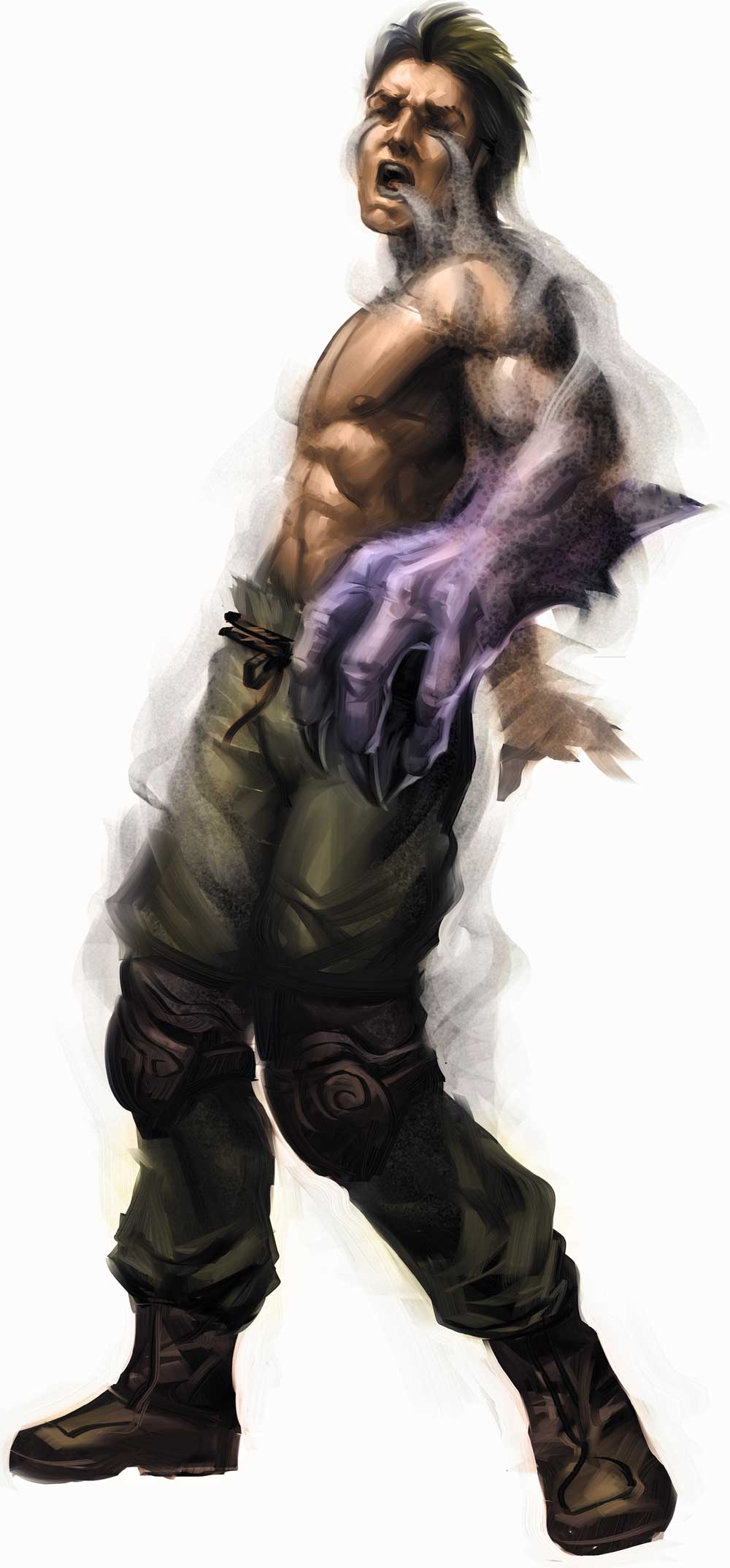
The Nanist actually has nanites embedded in his blood stream that can be released at any time, allowing him to strip scrap materials and eventually reshape them into a desired form. It uses the item creation rules from Other Dust, and he kind of serves as a weird mage character that can pull matter out of thin air. I think that Psionics are more than enough "magic" in SWN, but it would be cool to have a more tech oriented class.

Nanists
Prime Attributes: Intelligence or Dexterity
Hit Dice: d6
Special Ability: Nano-Fabricate
The Nanist can break down any scrap he can find using the nanobots that swim through his blood stream. He can then later recycle this scrap to fabricate almost any item he chooses. Four units of scrap can create 20 rounds of ammo, one Type A energy cell, a stim or any other consumable good. 8 units can build handheld equipment, 20 can build a piece of armor, and as many as 60 units are required to build vehicles or other large items.
The Nanist must have an appropriate Tech skill at a level equal to the tech level of the object. The Nanist must make a successful Tech skill roll to create the item, and the actual fabrication process takes about a day per Tech level of the item.
Nanist Class Skills
Tech/Any, Computer, Perception, Science, Profession/Any, Security
Experience: As an Expert
Bonuses and Saves: As an Expert
Adventuring Nanist: Any four skills, two of which must be Nanist class skills
Hacker: You know your way around computers and various other communications systems. You understand how to hack, exploit, funnel and divert people through the realm of cyberspace.
Skills: Computer, Perception, Security, Culture/Criminal, Persuade, Stealth
Hive: You have become less of a person, and more of a shell for your nanites. They control you more than you control them, and you aim to supply them with as much scrap as possible. The tech they create is just your payment.
Skills: Tech/Any, Computer, Navigation, Science, Security, Survival
Archaeotech: Your aim is to discover the mysteries of ancient technology, alien or otherwise. You desire to find blueprints to build these often forbidden machines of extreme power, often times maltech.
Skills: Tech/Maltech, Exosuit, Religion, History, Culture/Alien, Security
Craftsman: You use your nanites for a more noble use: creating items for the needy. You scour the planets for scrap and then build items for the destitute or your loved ones. It is often a thankless job, but it's rewarding.
Skills: Instructor, Leadership, Artist, Profession/Craftsman, Tech/Postech, Persuade
Ravager: Your nanites have increased your combat abilities, augmenting your strength and combat abilities. You are able to take down mostly any foe who stands in the way of the scrap you desire.
Skills: Combat/Any except Psitech, Exosuit, Athletics, Tactics, Survival, Perception
Spy: You share a sensory bond with your nanites, and they have in turn increased your agility and perception. You enter high risk areas to find the best tech and take it for yourself, or you possibly steal plans to sell to the highest bidder.
Skills: Perception, Bureaucracy, Business, Persuade, Stealth, Security
Microsurgeon: You can control your nanites to better heal people. The nanites swarm around, performing microsurgery and applying painkillers to wounded allies.
Skills: Tech/Medical, Profession/Doctor, Survival, Science, Leadership, Perception
The Nanist actually has nanites embedded in his blood stream that can be released at any time, allowing him to strip scrap materials and eventually reshape them into a desired form. It uses the item creation rules from Other Dust, and he kind of serves as a weird mage character that can pull matter out of thin air. I think that Psionics are more than enough "magic" in SWN, but it would be cool to have a more tech oriented class.
Nanists
Prime Attributes: Intelligence or Dexterity
Hit Dice: d6
Special Ability: Nano-Fabricate
The Nanist can break down any scrap he can find using the nanobots that swim through his blood stream. He can then later recycle this scrap to fabricate almost any item he chooses. Four units of scrap can create 20 rounds of ammo, one Type A energy cell, a stim or any other consumable good. 8 units can build handheld equipment, 20 can build a piece of armor, and as many as 60 units are required to build vehicles or other large items.
The Nanist must have an appropriate Tech skill at a level equal to the tech level of the object. The Nanist must make a successful Tech skill roll to create the item, and the actual fabrication process takes about a day per Tech level of the item.
Nanist Class Skills
Tech/Any, Computer, Perception, Science, Profession/Any, Security
Experience: As an Expert
Bonuses and Saves: As an Expert
Adventuring Nanist: Any four skills, two of which must be Nanist class skills
Hacker: You know your way around computers and various other communications systems. You understand how to hack, exploit, funnel and divert people through the realm of cyberspace.
Skills: Computer, Perception, Security, Culture/Criminal, Persuade, Stealth
Hive: You have become less of a person, and more of a shell for your nanites. They control you more than you control them, and you aim to supply them with as much scrap as possible. The tech they create is just your payment.
Skills: Tech/Any, Computer, Navigation, Science, Security, Survival
Archaeotech: Your aim is to discover the mysteries of ancient technology, alien or otherwise. You desire to find blueprints to build these often forbidden machines of extreme power, often times maltech.
Skills: Tech/Maltech, Exosuit, Religion, History, Culture/Alien, Security
Craftsman: You use your nanites for a more noble use: creating items for the needy. You scour the planets for scrap and then build items for the destitute or your loved ones. It is often a thankless job, but it's rewarding.
Skills: Instructor, Leadership, Artist, Profession/Craftsman, Tech/Postech, Persuade
Ravager: Your nanites have increased your combat abilities, augmenting your strength and combat abilities. You are able to take down mostly any foe who stands in the way of the scrap you desire.
Skills: Combat/Any except Psitech, Exosuit, Athletics, Tactics, Survival, Perception
Spy: You share a sensory bond with your nanites, and they have in turn increased your agility and perception. You enter high risk areas to find the best tech and take it for yourself, or you possibly steal plans to sell to the highest bidder.
Skills: Perception, Bureaucracy, Business, Persuade, Stealth, Security
Microsurgeon: You can control your nanites to better heal people. The nanites swarm around, performing microsurgery and applying painkillers to wounded allies.
Skills: Tech/Medical, Profession/Doctor, Survival, Science, Leadership, Perception
Subscribe to:
Posts (Atom)